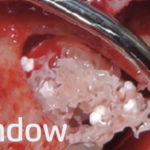
USE OF EQUINE BONE SUBSTITUTES IN THE LOW WINDOW TECHNIQUE
article pubblished in
BIOTECK ACADEMY – December 2017

Abstract
The maxillary sinus lift carried out laterally entails performing a vestibular osteotomy to expose the sinus membrane by creating an access “window”. The membrane is detached to create a space where a bone graft is inserted. The design and position of the window are not codified: while these are conditioned by the anatomic limitations of each patient (position of vessels, presence of septa etc.), each surgeon then designs and places the access window based on their own personal experience. Recently, however, a technique for approaching the design and positioning of the sinus access window has been put forth, that is based on a rational analysis of sinus anatomy. This approach is called Low Window and entails a design based on CBCT scans to produce an appropriate template. It also involves placing the window as low and as mesial as possible: that is, with the lower side flush with the floor and the mesial one flush with the anterior sinus wall. The window is invariably 6 mm high. The only variable portion is the distal demarcation line, which coincides with the most distal implant position. In the author’s experience, this approach significantly decreases intraoperative time, patient discomfort – as it requires opening a smaller flap – and above all, the likelihood of tearing the sinus membrane due to the different access angles permitted to surgical instruments.